Awkward automated automobiles

Awkward automated automobiles

Here’s me, running down the hot sunny streets of San Francisco, laden with a rucksack and shopping bags, chasing a taxi that has just deserted me in a lay-by.

Rewind to earlier that week: I was in San Francisco for Figma Config, wandering towards the conference, when I first noticed these white Jaguar SUVs patrolling the streets. They had Dalek-like sensors perched on their roofs and cameras pointing in every direction. They looked like something out of a sci-fi film, and as one passed by, I saw that the driver’s seat was empty and realised what they were – functioning autonomous taxis.

That discovery instantly piqued my curiosity. In every Uber I took, I quizzed the drivers. Had they had any encounters with Waymo taxis? What did they think? Surprisingly, the general vibe was positive – no major complaints, no horror stories. At my hotel, the concierge told me most guests still didn’t trust them (“You wouldn’t get me in one if you paid me”), but some guests only used Waymo because they were clean, smelled good and were cheaper than Ubers. I now really wanted to try one out for myself.

So, on my final morning, before heading to the airport, I decided this was my chance. After grabbing some souvenirs from Pier 39, the Alcatraz tourist hotspot, I downloaded the Waymo app, linked my Google account, – Apple Pay already set up on my phone – and within seconds I was ready to go. Just as with Uber, I tapped to order a car. The app gave me a four-minute wait time and even told me that my initials, AT, would appear on the LED ring around the sensor dome as it approached.

But I happened to be waiting in a chaotic tourist lay-by filled with coaches, Ubers dropping off passengers, other Waymos picking up, and people everywhere. My car arrived in a slow-moving procession of vehicles edging up the lay-by.

I walked alongside it, phone in hand, repeatedly pressing the “unlock” button as it kept flicking between active and inactive. Every time I tried, the door wouldn’t open.

By the end of the lay-by, the Waymo gave up before I did – it simply drove off, crossed six lanes of busy traffic (including tram lines), and parked down a side street. So now it was me versus a six-lane road, arms full of shopping bags, trying to catch a robot car before the countdown expired and my ride was ultimately cancelled.

I dodged traffic, ran up the pavement and found the Waymo, but I still couldn’t get in. A passer-by told me the door handles “pop out when it’s ready”. Just as I was fumbling with them, two coaches full of tourists rolled up behind the car, their impatient driver leaning on his horn. The Waymo, apparently stressed by the situation, fled again – back across the six lanes and into the lay-by I had originally been waiting in.

This time it pulled over to wait for me right at the lay-by entrance, blocking the coaches again. I ran back across the road, and when I approached and pressed “unlock”, the handles finally popped and I got in. A crowd formed around the car within seconds, tourists snapping photos of me as if I was boarding a spaceship. Then the door shut, the horn-blasting world disappeared, and I was suddenly in cool, air-conditioned calm.

A soft voice greeted me:

“Hello from Waymo. This experience may feel futuristic, but you still need to buckle up. We’ll do the driving – don’t touch the steering wheel or the pedals.”

Just like that, everything was forgiven.

How I felt

My first reaction was disbelief that I was comfortably sitting in a moving car with no driver, feeling like I was in a Herbie movie – no one in the front seats at all, steering wheel turning like a car possessed. But that sensation faded shockingly fast. Within minutes I felt relaxed, almost grateful for the chilled lo-fi beats and the smooth, predictable driving. There was no awkward chat, no concerns about whether the driver was tired or in a rush, no second-guessing decisions at junctions – it even put its foot down to beat the lights.

Instead, I had a sense of being taken care of by something that didn’t get flustered, didn’t get distracted, and didn’t have bad days.

The earlier chaos chasing the car down the street didn’t undermine the experience, but rather highlighted something important: the transition period we’re in. The technology is advanced, but the world around it is still catching up. Our roads, our behaviour, even our assumptions aren’t built for driverless vehicles yet. But once I was inside, it felt like I had momentarily stepped into the future, and the future felt calmer than the present.

I was sad to see it leave after the ride ended.

What I think it means

That one ride convinced me, autonomous taxis are absolutely the direction we’re heading in, and they’re going to surpass traditional taxis in almost every way.

Safety is one of the biggest advantages. Human error causes the overwhelming majority of road collisions. Autonomous systems don’t get tired, don’t text while driving, don’t speed out of frustration, and don’t get distracted by passengers or road rage. They follow rules consistently, something humans are notoriously bad at.

Cost and reliability also matter. My Waymo ride was cheaper and didn’t require a tip. Every car is consistently clean, the experience is standardised, and you know exactly what to expect every single time.

Environmental impact is another factor. Autonomous fleets are electric, helping reduce emissions and congestion.

And crucially, this isn’t speculative. Autonomous taxis are being trialled in London right now, and services like Waymo and others are set to launch officially in 2026. What I experienced in San Francisco isn’t a decade away for us, it’s around the corner.

Meanwhile, traditional taxis, reliant on human drivers, variable experiences, inconsistent pricing, and rising operating costs, will struggle to compete with a service that’s cleaner, safer, cheaper, and more predictable.

My brief chase across San Francisco ended with me sitting in a quiet, self-driving car that felt more trustworthy than many human-driven taxis I had taken since being there. That’s why I genuinely believe autonomous taxis aren’t just coming, they’re the future.

And honestly? I can’t wait to hail one in London.

Next up in Edition #07

  • Bring me sunshine

    Bring me sunshine▶︎

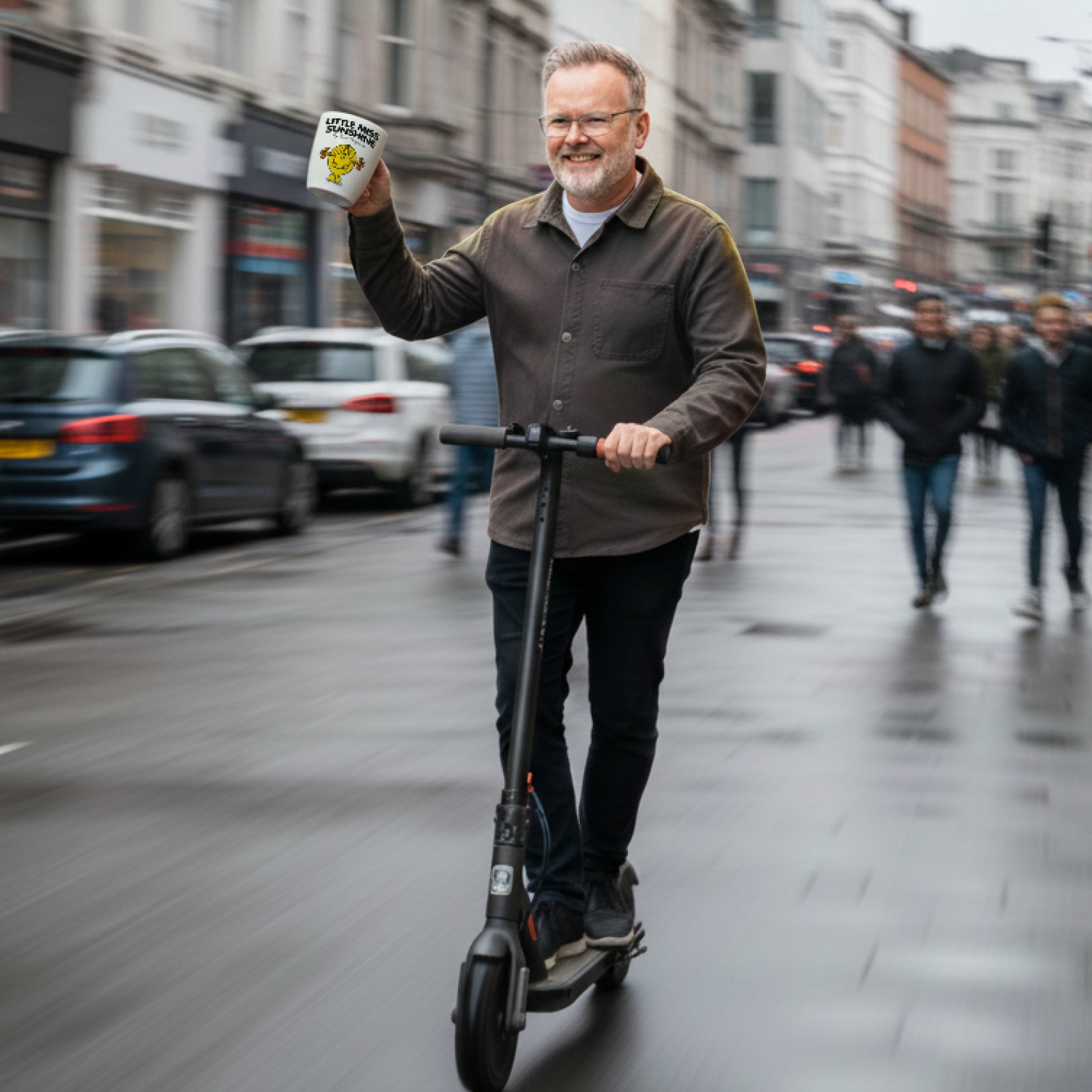
    If every brand interaction says something about your brand personality, how does that play out for your own personal brand? Mike Cook scoots through the arguments.

  • No, everyone is not creative – and that’s ok

    No, everyone is not creative – and that’s ok▶︎

    Where do you stand in the great create debate? Maria Ottewell runs a 230-person strong creative agency without a single creative bone in her body. And that, she says, is fine.

View all editions