No, everyone is not creative – and that’s ok

No, everyone is not creative – and that’s ok

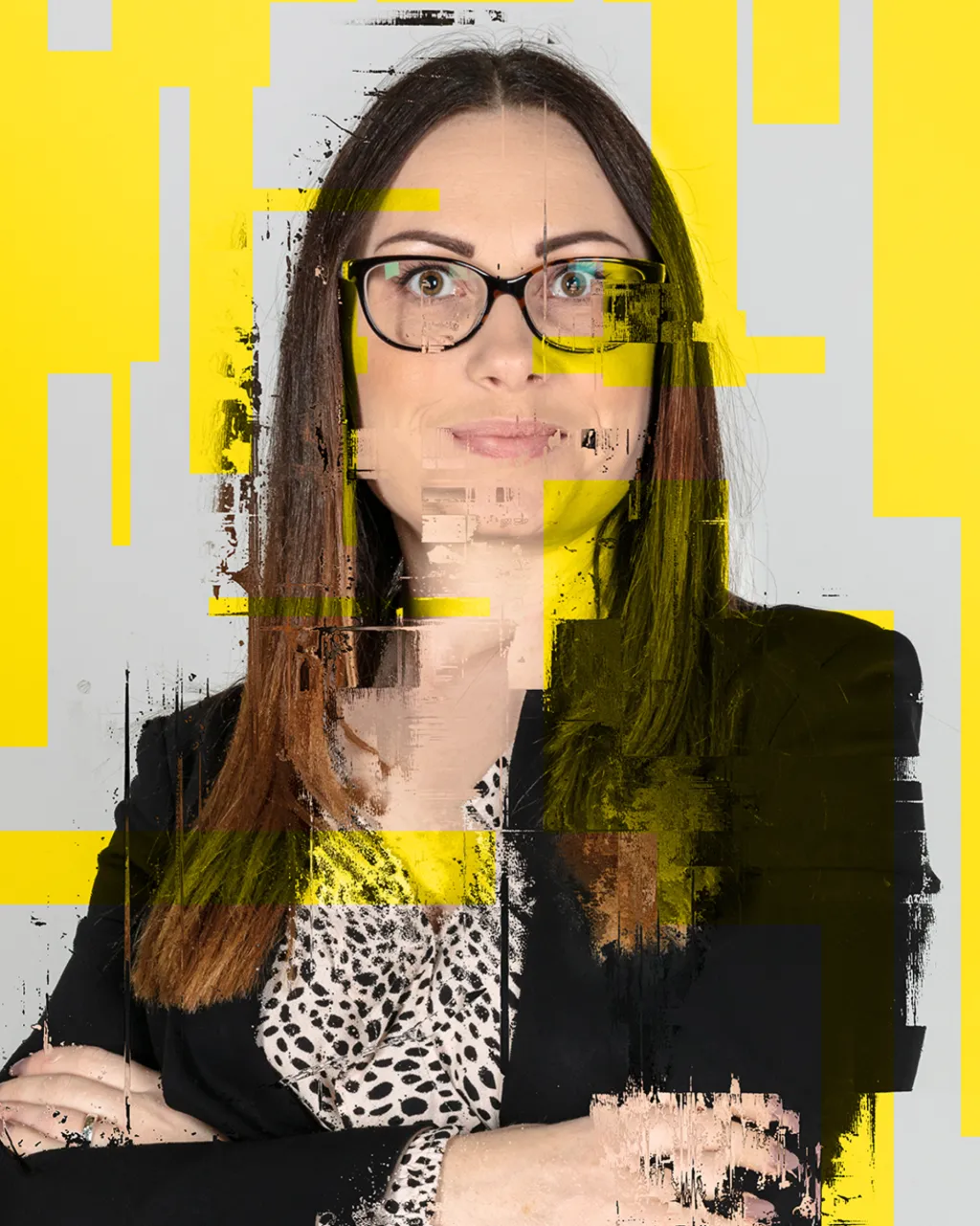
Everyone is creative. Throughout my creative agency career, it’s a truism I’ve gone along with. But now I want to confess that I disagree.

Search Amazon and you’ll find that Everyone Is Creative is the title of several self-help guides, in which the authors claim that everyone is born creative, and pose the question “have you ever met a child who wasn’t creative?” I have. Me.

Chapter Two of the first self-help guide I came across instructs me to embrace my own innate creativity but I’m not sure I have any. I’ve never felt creative. I don’t do creative. I don’t get the urge to doodle, craft or invent. And though at one time this felt like admission of failure in an industry where creativity is bought and sold for millions, it’s now time to come clean.

Of course, I understand the benefits of the creative act. I love songs and films and fashion. Yes, I envy people who can paint or draw or write. I wish I had the talent to do the same.

What’s more, I run a creative agency. So I’ve hired dozens of creatives, designers, creative strategists, creative project managers, creative account directors. I know their talents and the premium we place on them.

And we are not alone. Our economy is buoyed by 2.4 million creative industry workers, defined by government as working in “those industries which have their origin in individual creativity, skill and talent and which have a potential for wealth and job creation through the generation and exploitation of intellectual property”. Together, we are a 21st-century industrial powerhouse.

But then again, one of those 2.4 million jobs must be my own and – I don’t know if I mentioned this yet – I am not creative. Not at all.

The first time I really questioned my lack of creativity was on day one of my agency career. I was dropped in at the deep end, joining a brainstorming meeting with our founder and an angry client impatient for his problems to be solved – it was intense to say the least. No stranger to project and account management, but new to what this meant in the context of a creative agency, I was in awe of the result, a fizz and buzz of energy and ideas. I couldn’t tell where those ideas were coming from or how they came to the surface, they just came. Creativity seemed like a code I needed to crack.

Later, I managed creative teams who worked in similarly mysterious ways. Where I love the reliability of clear structures and systems, they seemed to thrive on chaos and uncertainty – the student syndrome of ideas coming at the last minute. As an account director, I’d be across all projects and deadlines, managing the clients’ expectations and relationships. I’d ask the team “how’s it going?”, get a non-committal response, give them their headspace and hope like hell the creative muse was likely to strike before our deadline. I trusted the team, but goodness it made me so uncomfortable!

Do we even know what we mean by creativity? According to Samuel W. Franklin’s The Cult of Creativity the term, and the concept, didn’t really come into common use until after the Second World War. At that time, psychology was trying to categorise and quantify concepts that had previously been intangible, and creativity, like intelligence, became a thing to be catalogued.

Meanwhile, American consumer capitalism valued and celebrated innovation and novelty, partly in contrast to the drudgery and conformism of communism. Creativity was an obvious force for good, however it was used. Like art, but not exactly art, industries dedicated to creating new toothpaste flavours had high status and financial value. Creativity was a commodity to be bought and sold.

But across my career, I’ve always known creativity is far from the only thing our clients want and need to buy, and value.

I know what I’m good at and valued for. I am fiercely emotionally intelligent. I can tell what other people are thinking and feeling, sometimes before they do. That’s certainly not a skill all of my creative colleagues have mastered.

I’m an accomplished planner and organiser, a perfectionist and a pragmatist. I can build and adapt reliable processes, systems and structures. Once I might have claimed that as a creative act, but now I think that’s stretching the concept to breaking point.

And finally, I’m a mum. And in a pretty profound sense, that’s the most impressive creative act anyone can achieve, and something that’s denied to at least half of humanity. Maybe that’s why the psychology guys felt compelled to co-opt the term. And my daughter is incredibly creative, which brings me great joy. She’ll spend hours crafting and creating, then gifting her creations to others – over the last few weeks she’s spent days handmaking a dozen Christmas willow wreaths for all our family and friends.

Can I be creative? Occasionally, yes. As I started writing this article, I was reminded by a colleague of a great campaign idea I had in, I think, 2018. I believe it was meant as a compliment, but I’ve worked in this creative agency since the turn of the century, so I’m not sure I’m taking it as one. I had one creative idea, well done me. But thanks for noticing.

And I have tried to be more creative, in the best way I know. Through a structured programme of training, a series of systems and check boxes, learning modules and frameworks, run by a talented industry professional who is properly, legitimately creative herself. At the time I believed her mantra, but now I’m not convinced. Creative with the truth, you might say.

My own truth is this: to my creative colleagues and creative friends, I love and respect you, I am in awe of your work, but I’m not one of you. Everyone is not creative. And that’s OK.

Next up in Edition #07

  • Bring me sunshine

    Bring me sunshine▶︎

    If every brand interaction says something about your brand personality, how does that play out for your own personal brand? Mike Cook scoots through the arguments.

  • Awkward automated automobiles

    Awkward automated automobiles▶︎

    There’s no need to tip and no need to chat. Andy Thorne rides the robot cars in a Californian future.

View all editions