Every creative business faces an ongoing tension between process and poetry. We sell ideas, craft and innovation, but with a commercial purpose. So how do we make sure that our creativity always shines in our work?
To me, the act of creativity should embrace fun and flow – less like manufacturing, more like music. Just never the kind of cookie-cutter music that New York Times critic Jon Caramanica calls “Spotifycore” – the precise and algorithm-friendly pop that dominates streamers’ New Music playlists. It should be more jazz.
I don’t even like a lot of jazz. But I do love the concept of it – the improvised, conversational, unpredictable nature of the creative act. A group of players listening and responding, adventurous individuals pushing each other forward until something new emerges.
So whenever I’m setting out on a creative task, or working with designers, writers or strategists, the first thing I ask them to do is be more jazz. Not to create something polished or finished. Just take a moment to flex, sketch, talk, think.
Why jazz?
So much pop music is written to a formula. You could swap out one hit for another and barely notice the difference. Jazz feels different. It’s improvised and spontaneous. Whether you like it or not, it mirrors the creative process. Rhythms shift, melodies bend, the whole piece breathes. It can be messy and unpredictable, but alive. That’s how the start of creativity should feel. Not polished or perfected, but a jam where ideas collide into something new.
What jazz teaches us
Improvisation is at its heart. Musicians step on stage not knowing where they’ll land, trusting instincts honed over years. Daring to play a phrase they may never repeat. Creativity needs the same leap into the unknown.
Jazz is also a conversation, a call and response. One line sparks another. The best work is rarely a solo, it’s an exchange that sharpens and stretches the original thought. Tension plays its part too. Dissonance unsettles but makes the resolution better. Creative sparks often lie in debate and disagreement, in the uncomfortable space before alignment, when energy is building but nothing is settled.
And jazz has structure. Chords, rhythm, key. Freedom within boundaries. Too loose and it’s noise. Too rigid and it’s dead. Creativity needs the same balance, enough framework to hold fragile ideas together, enough looseness to let them breathe.
Most of all, jazz is never the same twice. Standards evolve with every performance. If your first idea is your final idea, you stopped too soon. You never sent out the call that demanded a response.
Why we default to pop
We like answers, we like certainty. Deadlines and expectations push us there. But being certain too early kills curiosity. Playing it safe kills bravery. Both strip away the messy beginnings that give ideas life.
We need to embrace detours. Walk, run, hike the less worn paths. Stand in the shops. Talk to customers. Watch how people behave when they don’t know they’re being observed. Gather scraps of everyday life. Overheard phrases, odd rituals, shortcuts. The texture of the world in all its mundane wonder.
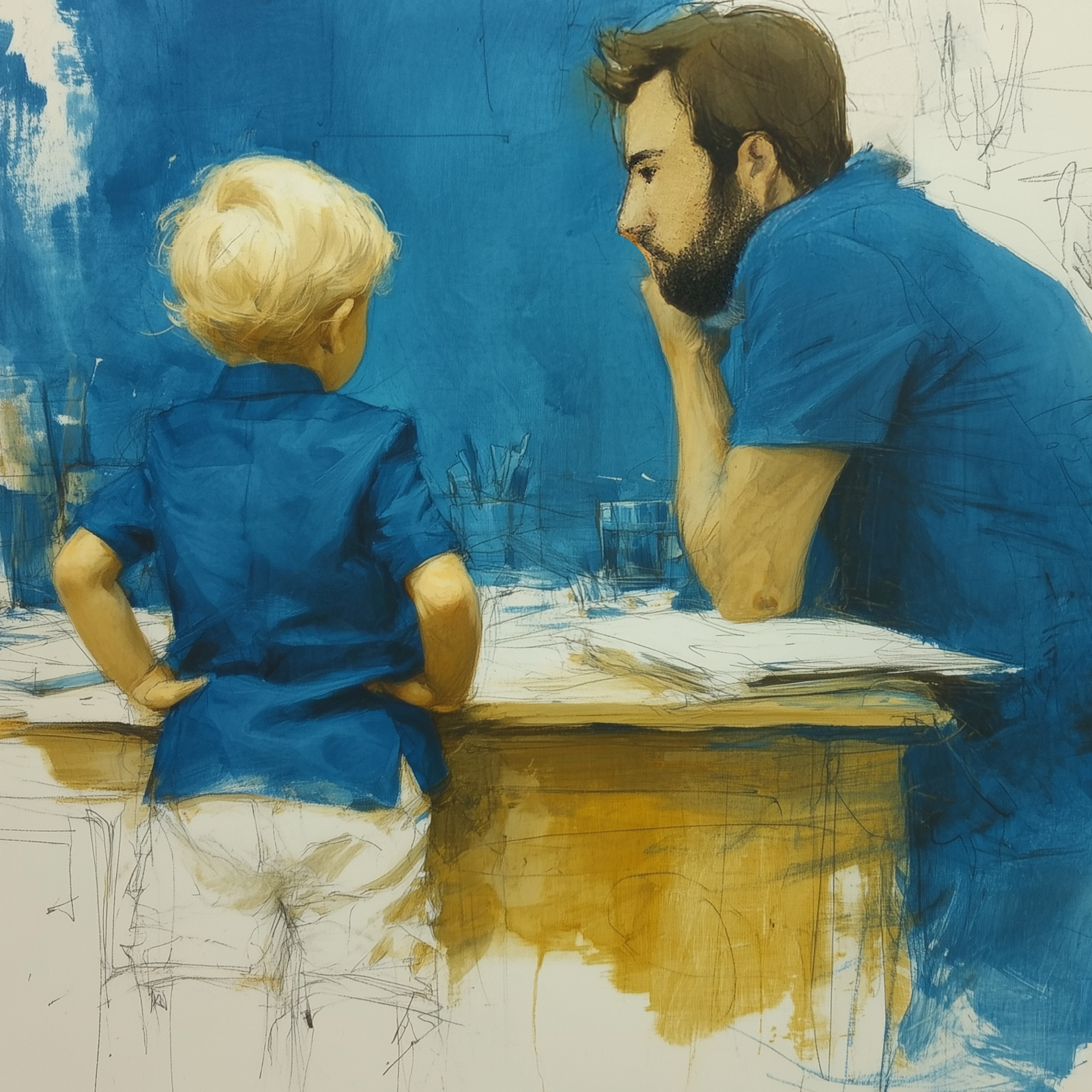
Bring that energy back into the room. Not as presentable PowerPoint slides, but as conversations and sketches on a wall. Half-formed ideas tested out loud, broken and rebuilt. That’s jazz. It looks inefficient but it saves time later, because the idea has been lived in before it’s locked down.
Recently, working with a new client, I visited stores they aspired to be in. In Selfridges, in conversation with staff, I was introduced to the floor manager, who walked me through the store, brands and customer expectations. A serendipitous moment I’d never have found behind a desk. That’s how creativity thrives.
Meet the Beatle
A jazz sensibility doesn’t mean your end result will follow a particular genre. If you still haven’t watched Peter Jackson’s Get Back documentary, please make sure you do. The behind-the-scenes chronicle of the Beatles preparing new songs and a live show is electric, and tense. Arguments and awkward silences. Bursts of laughter with endless loops and riffs. Nonsense words used as placeholders. Messy, collaborative and sometimes tedious.
They didn’t split off and wait for Paul to write lyrics before passing them down the line. They trusted each other. Even in their fallouts they were the right mix to create magic. They riffed, they bounced, they clashed. Call. Response.
And they didn’t do it alone. George Martin, classically trained, acted as steady hand. He didn’t dampen the spark, he framed it. Enough structure to turn chaos into something iconic. That’s the balance we need too: jazz at the start; pop at the end. Without the jam, there’s nothing worth polishing.
Taking everyone on the journey
Like I said, not everyone likes jazz. The jam can look chaotic, risky, indulgent. Our clients have their own pressures and anxieties. If we exclude them from the process and only present the polished final track, they become the audience, not part of the band. Audiences judge. Bands participate. But when clients are in the room, hearing the riffs, offering their own lines, seeing ideas evolve, something shifts. They stop waiting to be convinced. They start becoming part of the flow. They don’t just sign off the work, they own it. They hear their own chords in the mix.
With mutual trust and respect, they’ll lean into the improvisation. They’ll tolerate the dissonance because they can see where it’s heading. And when the piece is finally done, they’ll be as enamoured with it as you are.
The final… note
Formula pop fills the air. It fills the charts. But it dates quickly. Built to please today’s ear, not to move tomorrow’s culture. Jazz doesn’t guarantee greatness, but it does guarantee freshness. It keeps the room alive. It forces us to look harder, listen closer, find something honest before we polish. Audiences feel that difference. They can sense when an idea was discovered, not manufactured. They lean in. They remember. They share.
So collect the scraps. Let the conversations flow. Push through the dissonance. Know when to lead, and when to step aside. When the melody emerges, shape it, tighten it, record it.
Creativity isn’t a solo, it’s an ensemble. Don’t aim for saccharine pop. Start with jazz and invite the chaos. Because the work that lasts, the work you’re proud to tell your mates about in the pub, almost always begins as a messy, human jam session that found its groove. Have fun. Have a play. h polishing.
The world can be a scary place for us – and for our children. Lindsey Palmer explores how the way we communicate impacts across generations and what the creative industries can do to help make the fear disappear.