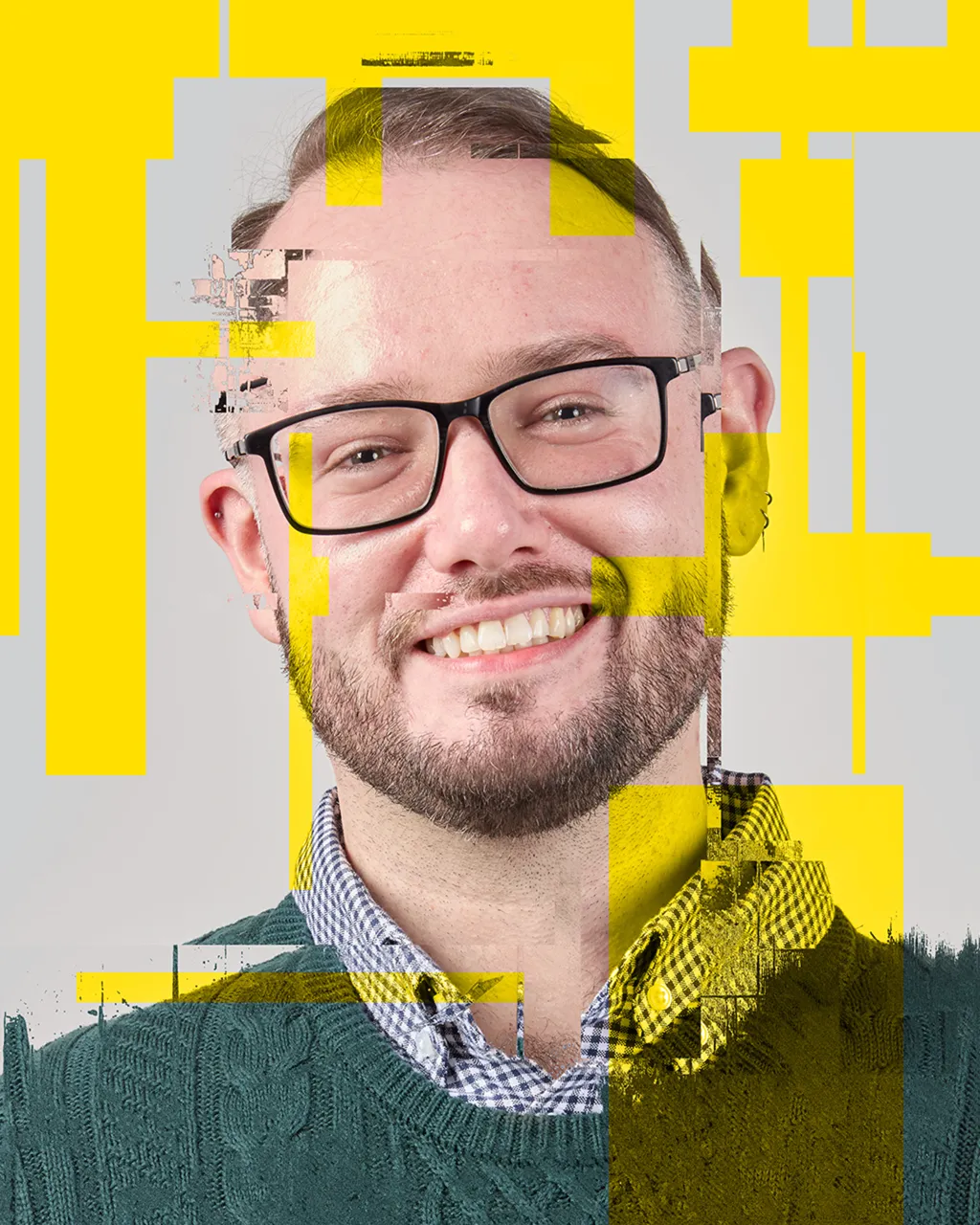
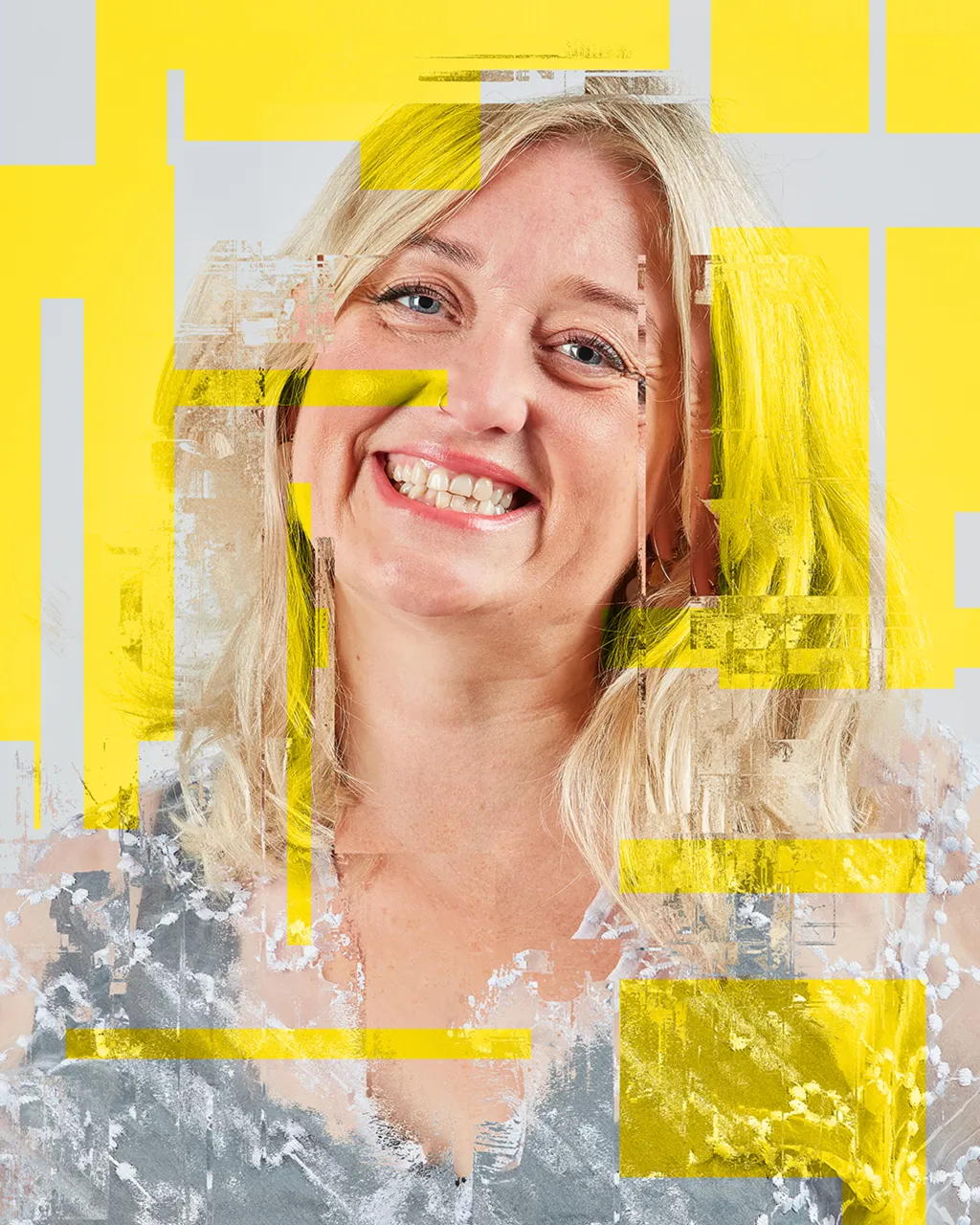
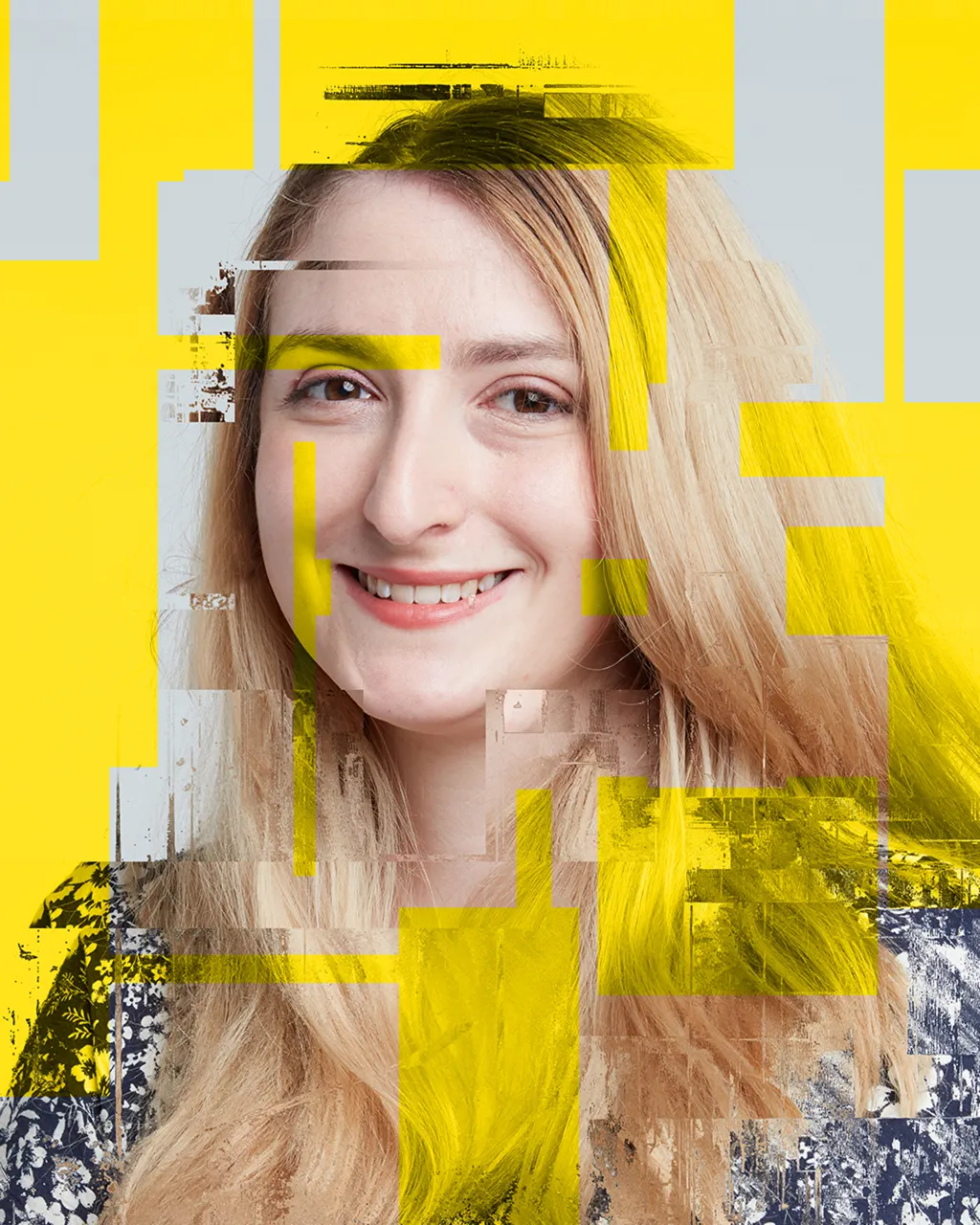
Jamie Williams didn’t receive his formal ADHD diagnosis until adulthood. Sophie Diamond and Emilie Suffolk are neurotypical but have very different approaches to work. Collide brought the three project management and process professionals together to talk about wrangling creativity, overflowing inboxes and managing focus.And, yeah, maybe we got a bit distracted at times but… um… where were we?
6,000 unread! It does make me feel ill at ease, but I don’t want to mark them as read, because I haven’t read them, so they wait until I hopefully read them, but the number just keeps going up and up.
Collide: So, what are you like?
SD: I’m totally results driven in work. Blinkers on. I’m here to do the thing and I need to do that thing. Then out of work I’m fairly chilled out because there’s no goal to achieve.
ES: Out of work I’m very free-spirited. I fly by the seat of my pants. I only really follow any kind of structure because of my daughter. If I didn’t have Ella in my life, I would probably still be bumbling around like I was 20 years ago.
But in work I have to be hyper-organised because I’m easily distracted. I want to know everything holistically to manage my campaigns.
JW: I’m a bit of a contradiction, because I can’t function without structure or systems, but outside of work, I am very kind of tidy and organised. Everything has a place in my house, and I can almost sense if I walk in a room that something’s moved, even if I can’t see it.
COLLIDE: And how’s your inbox?
JW: 6,000 unread! It does make me feel ill at ease, but I don’t want to mark them as read, because I haven’t read them, so they wait until I hopefully read them, but the number just keeps going up and up.
SD: I have no scale for understanding that. I find it so upsetting!
JW: My inbox started off nice, clean, tidy, but within moments it’s out of control. My desktop out of control, my documents out of control. I start to try and implement a system, which makes a lot of sense, but then I don’t use it. It’s the unfortunate reality.
ES: That actually does scare me. I have about 40 emails now in my inbox but I did work alongside someone who had 15,000 unread! I haven’t got that, but I do hold on to a lot more information than I should do.
So over the past couple of years, I’ve done lots of work on hoarding and clearing out. And if you walked into my house, there’s no clutter now. To the point my friend said to me a few weeks ago, “Darling, you look like you’ve been robbed.”
COLLIDE: Jamie, you’ve written that “the world of work can be a scary place if you’re different”, but then you have to drive through projects with people with very different brains from you. How does that work out?
JW: That’s the people side of it. You might not be as organised in a traditional sense, but if you’re good at understanding people and negotiating and things, that is a key part of project management. If you can motivate the people around you, maybe that’s how you get through it.
ES: In terms of having a list of things to do, I find it very difficult to get organised. But if you’re telling me that I’ve got to get loads of people in a room together, we’ve got an event and we’ve got a photo shoot and there are all these different elements that could change at any given moment, I thrive on that. I’m literally organising chaos!
If it was just me, I’d be late for everything and I’d go for those dopamine hits and put pressure on myself, but I can’t afford to break
SD: I would have a heart rate of about 120 the entire time doing that, because I wouldn’t be able to think as I did it. If I’m in a space I can control, I can take a moment, I can think, I can plan the next step; and that doesn’t mean my job isn’t sometimes chaotic. It is.
But I can think about how to, I can formulate, I can pivot. I can’t do that if you’re watching me.
ES: Whereas, I’ve never been diagnosed but I’ve always wondered if I have a version of ADHD because where there are any given quick changes, I think on my feet. I’m finding solutions. However, if you give me enough time I will procrastinate, I won’t find the solutions and I go into freeze mode.
COLLIDE: That’s interesting. Historically, neurodiversity has always been under-diagnosed in women and girls. Boys and men are more likely to be referred for testing and treatment and take part in research. We don’t have a good understanding of the ratio of men to women with ADHD.
JW: My family were surprised when I got my ADHD diagnosis. I think partly because I don’t have just hyperactive or inattention symptoms – I have a bit of both!
COLLIDE: I’m really interested in what seem like contradictions in how your ADHD presents itself. You said, “I’m unable to work without structure, but too much structure is suffocating and drives me to disengage.”
JW: Yep.
COLLIDE: And then: “Some weeks, it feels like it takes me the whole week to do a 30-minute task, while other weeks I could do a week’s work in 30 minutes.”
“I love working with others, but too much socialising is overstimulating.”
“A noisy environment is distracting, but silence feels weird, so I have loud music blasting through my earphones to help me focus.”
“I want everything to be documented, but I’m terrible at taking notes.”
“It takes me significantly longer than my peers to start a task, but I usually finish it in record time, often before everyone else.”
So many contradictions!
JW: Yes, sometimes when I see the way that people work within the agency, in terms of “this task, this day, you’ve got two hours…” – I could not work like that.
I really admire people who can, and I understand why we have to. But I could not say, in two hours, I will achieve this. It’s just not going to happen.
COLLIDE: And yet you’re a really high performer. It maybe shows how many ways there are to tackle a task.
ES: The key thing is listening to what other people need and adapting to it. If it was just me, I’d be late for everything and I’d go for those dopamine hits and put pressure on myself, but I can’t afford to break. Does that make sense?
JW: If I’m given a full two weeks to do a task, I find it hard to start. Like, it would get done, but not until maybe 10 hours before. But I couldn’t do anything else with that time, because I’m supposed to be doing that task – even though I’m not!
As a creative, I’m sure you want to be able to just go ahead and do something really cool. But sometimes there are rules to follow and paperwork and all of this, which are inherently difficult, but to do either right, you have to have both.
ES: When you’re a high achiever and you’re just wanting to really push yourself and get that drive all the time, because that’s your dopamine, that’s it, it’s a dopamine hit and it’s an addiction.
COLLIDE: Teresa Amabile at Harvard Business School writes a lot about the management of creativity. She talks about three intrinsic mindsets of creative individuals, but also about the importance of the social environment in which the individual is working. So, can you schedule creativity on a deadline?
SD: As a creative, I’m sure you want to be able to just go ahead and do something really cool. But sometimes there are rules to follow and paperwork and all of this, which are inherently difficult, but to do either right, you have to have both.
ES: Well from my point of view, you know, you have to. If we’re producing something like [Royal Mail’s] Courier magazine, you know, it’s a 36-page publication, we do everything. Interviews, news, photography, design. No touch wood, no “whenever we’re ready”.
SD: I know I’m very literal. If say you’ll start something at 12.30, I don’t understand when it doesn’t start at 12.30. Like otherwise, what’s the point of putting your time in place? I can find things like that really, really frustrating to deal with.
ES: You have to have process because that’s your roots and your foundations. So if you think of yourself as a tree, the winds are the kind of changing conditions and environments of what’s happening – the tornado.
You have to have that kind of structure in place, else you’re going to topple over.
SD: And it’s similar with managing projects and having to have those hard processes in place, when people might just want to go ahead and spend a week on designing something.
JW: I try and limit as much as possible to one or two things I need to get done. If I get more done, because I’m on a roll, great, smash it out. But then you have to learn to forgive yourself for not doing as much as you might have liked. And that’s the hardest bit.
ES: That’s what I like about being in a creative agency. Managing the sense of creative freedom with those fundamentals of organisation and processes and policies.
SD: I’ll see it as my job. To understand… that’s your job, you do that bit in your way. This is my job, I’ll do it in my way. And the hardest job for all of us is working together to get a solution.
COLLIDE: That’s a great note to end on. Thank you, all.
When it comes to dividing the north from the south, where do you draw the line? Anything below Sheffield? Anything above London? For Sam Devey, it could all be a matter of technology.