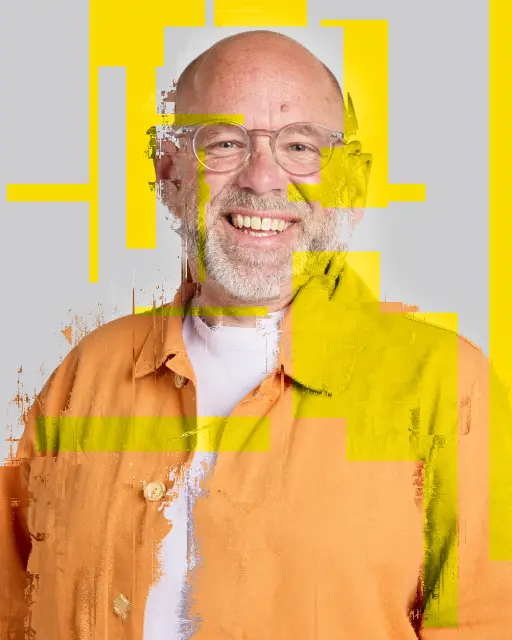
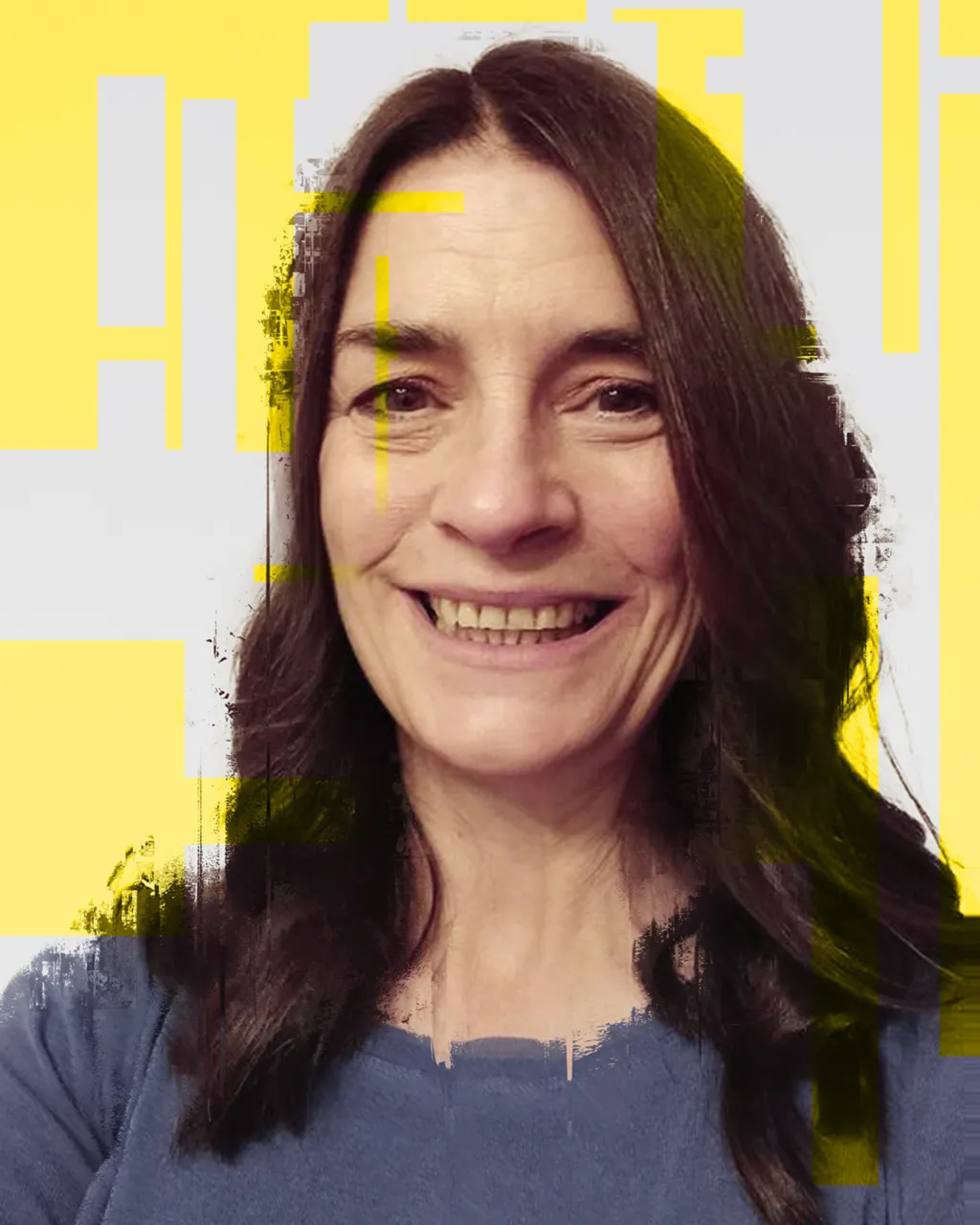
Hilary Burton and Damon Parkin began their working lives as local newspaper reporters. Their careers as writers blossomed as they moved, individually, to Smash Hits and a Premier League football club, regional theatre and into corporate comms. They discussed the decline in local media, whether social media is a valid substitute, and if local means anything any more.
DP: We’ve both lived through the decline and the migration of local journalism into other channels. What do you think that’s done to local storytelling?
HB: In the 90s, I worked on the local paper in Whitby, which is not a big town; we sold 13,000 copies a week of a paper in a town of about 12,000 people. And this is not that long ago.
DP: And yet I think something like three newspapers I’ve been editor of don’t exist any more.
HB: People would stop me in the street and harangue me about some letter or something that was in there because they knew who I was. I was always happy to have that. That was a real grassroots sort of place. And it was a grassroots paper, where just about everything that happened was reported.
DP: When I started as junior reporter, we were never short of news because we were right in the heart of the town. People would walk in. On Thursday morning, you might not have a decent front-page lead, but by Thursday lunchtime, someone would walk in and give you your headline. I’d be in the local police station every morning having a cup of coffee with the chief copper, he told me what happened overnight. I’d bump into the local councillor, the local MP. When they came back from parliament on Thursday or Friday, they’d pop in and have a coffee in the newspaper office.
HB: So where are people getting local news now?
DP: Are they getting it? Do they even want it?
HB: I see a lot about our local area in Facebook groups. Did you know they’re building such and such here, or a road’s closed next week. That’s a kind of practical local news service.
DP: So, what’s the point of local journalism if you have that hyper-local, hyper-timely information? Maybe we shouldn’t be mourning the loss?
HB: Well, you can get it on social media, but not everyone wants to do that, and it’s not got that integrity or reliability in the same way as local newspapers did.
DP: Whatever people think about journalists, you knew in our day that we did have professional integrity at least – we knew the journalism law, we’d been trained.
HB: That’s what I think about with the Facebook groups. People can post anything and sometimes I see things on social media that I’m like, “Oh, you can’t say that, mate.”
DP: Part of that training also was how to interact with people to get what you wanted. We had to pound the streets and talk to people. Whereas now I worry that young writers who want to go into journalism, are they going to be just putting stuff into ChatGPT?
HB: Probably.
DP: Do you remember your first death knock?
HB: I do. It was a young mum who’d died at 21, and she had a two-year-old – that was the story. Just that she was really young and she died suddenly. I went to knock on the door, and my colleagues said that they won’t want to talk, but her partner really did. He was really keen to talk about it and pay tribute to her.