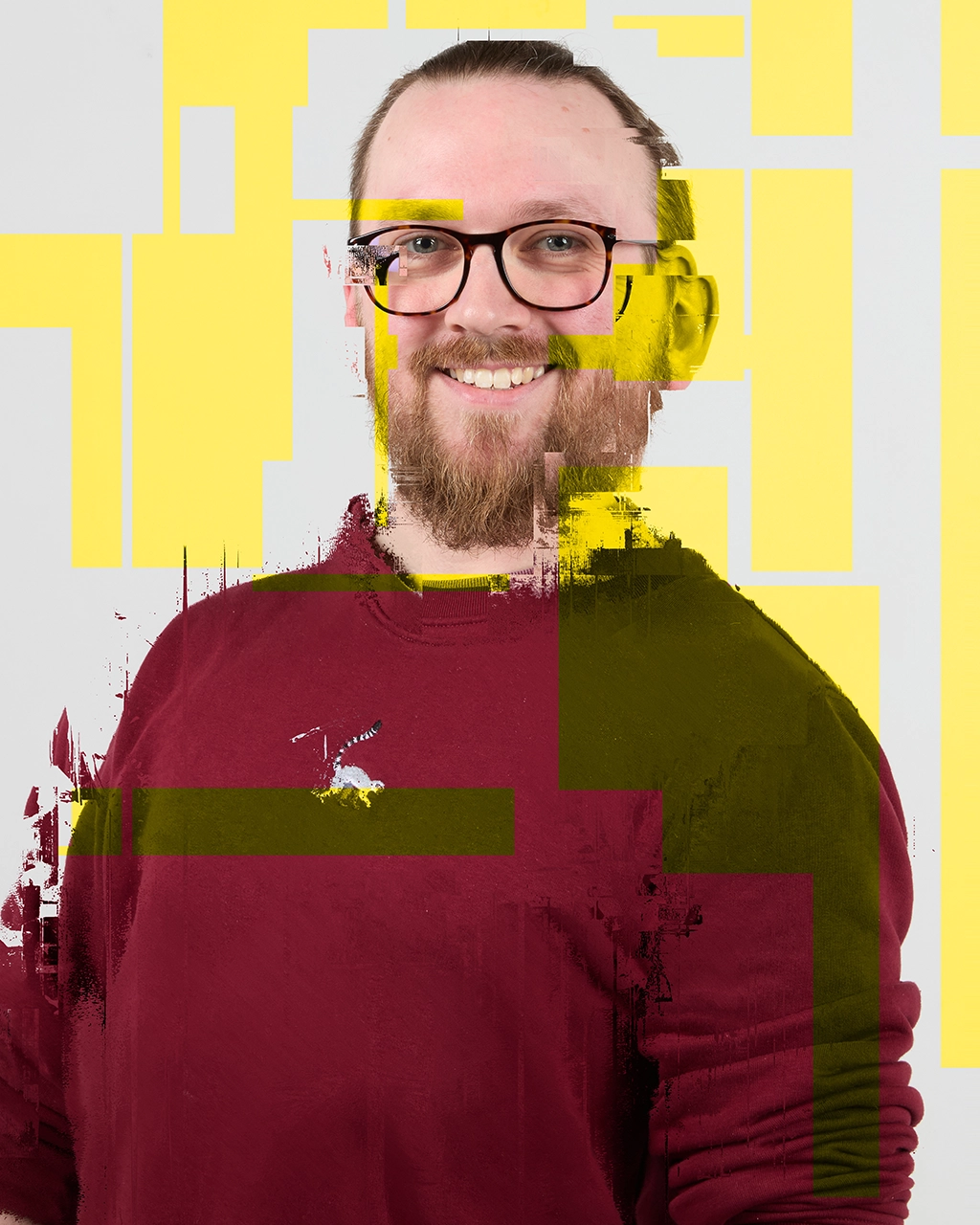
Five decades separates the punks sparking a musical revolution at Manchester Free Trade Hall and the punk running the digital screens at Manchester’s Co-Op Live. Rob Simms stretches the musical metaphor for Collide.
Fifty years ago this July, the Sex Pistols played Manchester Free Trade Hall, the origin episode of Britain’s punk rock revolution. On stage, four angry young Londoners preaching the virtues of anarchy, nihilism and rebellion. In the audience, future members of Joy Division, New Order, the Smiths, the Fall, Magazine and Buzzcocks, enthralled by the noise.
Half a century on, we live in a post-post-punk world where the system of corporations and authorities still hold sway, immune to the power of guitar-based revolt. But I’m convinced that the spirit of punk lives on, and sometimes in the most unlikely places.
For example… I’m responsible for a team that looks after more than 30,000 digital screens installed all over the globe. We’re the first port of call for clients, responsible for resolving issues ranging from pricing errors to system crashes. (And, yes, our system crashes are more about software bugs than the collapse of the capitalist world order.)
It’s a job all about process. Precise procedures with clear scripts and steps designed to restore order and keep operations on track. A key part of our responsibilities is to drive continual improvement. To slowly and systematically chip away at our ways of working to make them more efficient and effective. On paper, nothing could be less punk.
Smells like punk spirit
But whether it was the raw, angry sound of the Ramones in the 70s, or the more polished and accessible pop punk of Green Day in the 90s, the real spirit of punk was never the music or the look. It was the message: we don’t agree with your way of doing things.
A key tenet of the movement was a DIY ethic, which encouraged people to create their own music, art and fashion. You never needed permission to be part of it.
Continual improvement riffs to the same tune. It should be about challenging the status quo, taking risks and pushing back against “the way things have always been done”.
Rebel with a cause
My own professional rebellious streak started when I applied for my first job and was told I had to be clean-shaven to be seen as trustworthy. I grew out my beard and haven’t touched it since.
In my first call-centre role, I questioned why my performance targets rewarded a scripted, three-minute call that often achieved nothing over a 10-minute conversation that could actually solve a customer’s problem. I was promptly moved to analytics, so I would stop upsetting the box-tickers whose way of doing a good job meant simply chasing performance targets.
As an analyst, I came face-to-face with more frustrating and outdated processes that wasted time and money. My team spent hours producing sprawling Excel dashboards only for stakeholders to pick out two numbers and add them to their own reports. When I tried to push back, I was met with resistance. They’d always produced that graph. How dare I take their comfort zone away?
Fast forward through a decade of service management, and I’ve never toned down my punk spirit. The ideals that shaped the music and fashion I love – defiance, authenticity and nonconformity – have given me the courage to break the rules. To be disruptive, curious and innovative. To turn “f*** the system” into “fix the system”.
Defying convention
Continual improvement, when it’s done right, works the same way. When people feel empowered to challenge traditional or accepted ways of working, when we welcome experimentation and failure, that’s when real progress happens.
I often carry a notebook that says on the cover “Things I can’t say out loud in meetings”. It’s a reminder that I can and should say the uncomfortable thing. Because some systems exist for a reason, while others are only hanging around because no one’s challenged them…yet.